



Why choose us?
Your Leading Bonded Fabric Supplier
Export countries
100+ countries. After 28 years of development, our products have imported to more than 100 countries, such as the Bangladesh, Europe, America and Australia etc.
Skilled employee
30+ employee. We have our own design team and business team with have high level R&D capacity.
Our partner
We established partnership with many famous brands, such as lidl,H&M,Costco etc.
Our certificates
We have certificates of GRS, OCS, BCI, OEKO-TEX, etc.


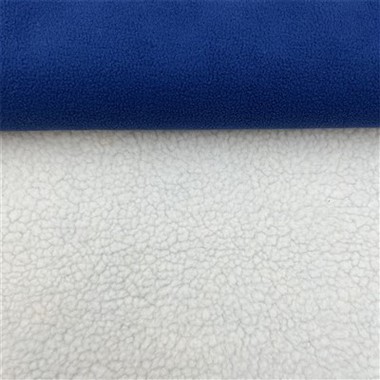




What is Bonded Fabric?
Bonded fabric refers to a type of material made by combining two or more different fabrics or materials through a bonding process. This process creates a single, composite material that leverages the properties of each individual component. The bonding is typically achieved using adhesives, heat, pressure, or a combination of these methods.
Key features of bonded fabric

Combined Materials
This can be achieved by joining various fabrics, foams or films together to achieve customized properties.

Improved Strength and Durability
The wood process significantly improves tear resistance and overall fabric strength.

Waterproofness
Depending on the adhesive and fabric used, keratin fabrics can be made waterproof or even water-resistant.

Shape Stability
Due to the stitching process, keratin fabrics can hold their shape very well and are not prone to stretching or fatigue.

Lightness
Weight can be reduced while still maintaining good strength, making it suitable for a variety of applications.

Versatility
Can be used in a variety of products, including clothing, bags, manhattans, indoor parks, and even medical supplies.

Insulation Properties
Depending on the materials used, the insulating structure can provide insulation benefits.
Foresight of Different Shapes:

Foresight of Different Shapes
Due to its flexibility, complex shapes can be easily formed.
What are the Applications of Bonded Fabric
Bonded fabrics find applications in various industries, resulting in a wide array of products. Here are some examples across different sectors:
Outerwear and Apparel
Bonded fabrics are commonly used in outerwear and apparel for their versatility and functionality. They can be found in:
Jackets and Coats: Weather-resistant jackets, insulated coats, and stylish outerwear often utilize bonded fabrics for their durability and weatherproof properties.
Athletic Wear: Sportswear, workout gear, and activewear benefit from bonded fabrics that offer breathability, flexibility, and moisture-wicking capabilities.
01
Accessories
Bags and Backpacks: Many high-quality bags, backpacks, and luggage items incorporate bonded fabrics for their strength, water resistance, and stylish appearance.
Belts and Accessories: Some belts and accessories use bonded materials for their durability and ability to maintain shape and structure.
02
Automotive Industry
Bonded fabrics are employed in vehicle interiors for their durability, comfort, and aesthetic appeal.
Car Interiors: Seat covers, headliners, door panels, and other parts of car interiors often use bonded fabrics for their durability and ease of maintenance.
03
Home Furnishings
Upholstery: Some furniture, especially in high-traffic areas, uses bonded fabrics for their resilience and ease of cleaning.
Curtains and Drapes: Bonded fabrics can offer both style and functionality in curtains, providing insulation and light control.
04
Industrial and Technical Applications
Medical Textiles: Some medical garments or protective wear use bonded fabrics for their protective and breathable qualities.
Technical Textiles: Bonded fabrics are utilized in various technical applications, such as in construction, filtration systems, and industrial uses, due to their specialized properties like strength, water resistance, or insulation.
05
Key steps in the bonded fabric process
Fabric preparation
The individual fabric layers are cut to the desired size and shape.
Adhesive application
The adhesive is applied to one or both fabric surfaces, depending on the desired outcome.
Layering
The fabric layers are carefully positioned on top of each other, ensuring proper alignment.
Heat application
The bonded fabric is passed through a heated press or roller, which activates the adhesive and creates a strong bond between the fabric layers.
Components of Bonded Fabric
Bonded fabric is made of fibers joined together using adhesives or heat. It is a nonwoven material that can be made from a variety of materials, including natural and synthetic fibers.

Components
Fibers: Bonded fabrics can be made from natural fibers such as cotton and wool, or synthetic fibers such as polyester and nylon.
Adhesives: Adhesives can be used to join the fibers together.
Heat: Heat can be used to melt the fibers so they bond together.
How it's made
Blending: One textile is blended with another textile yarn, such as rubber, plastic, or metal.
Thermal bonding: Two fabrics are heated and merged together to create a composite material.
Adhesive bonding: Adhesives are applied to one or both layers of fabric, and then the layers are heated and pressed together.
How to maintain Bonded Fabric
To maintain bonded fabric, always check the manufacturer's label for specific instructions, but generally, you should: wash gently in lukewarm water, avoid harsh chemicals, use a soft brush to remove dust, spot clean stains with a gentle cleaner, dry flat or on low heat, and never excessively rub or stretch the fabric to prevent delamination; in many cases, dry cleaning is the best option to preserve the bonded layers.
Key points to remember when caring for bonded fabric:
Handle with care:
Be mindful when handling bonded fabric as excessive pulling or rubbing can cause the layers to separate.
Dust removal:
Regularly brush off dust with a soft brush to maintain the fabric's appearance.
Spot cleaning:
For stains, use a mild detergent solution and gently blot the area.
Washing instructions:
Wash in lukewarm water with a gentle detergent.
Consider hand washing delicate bonded fabrics.
Avoid hot water and harsh chemicals.
Drying:
Lay flat to dry whenever possible.
If tumble drying, use a low heat setting.
Ironing:
Iron on a low heat setting if needed, always using a pressing cloth to protect the fabric.
Dry cleaning:
For delicate or heavily bonded fabrics, dry cleaning is often the best option.

Our factory


Our Certificate


EXHIBITION


FAQS
Q: What is bonded fabric?
A: Bonded fabric is a material made by joining two or more fabrics or materials together.
Q: How is bonded fabric made?
A: Bonded fabric is made by using adhesives, heat, pressure, or a combination of these methods.
Q: What are the benefits of bonded fabric?
A: Bonded fabric is more durable and adaptable than the individual fabrics that make it up. It can also be used to combine a robust outer fabric with a softer, more comfortable inner fabric.
Q: What are some types of bonded fabric?
A: Bonded fabric is often used in outdoor equipment, such as tents and backpacks, because it is water-resistant and resilient. It is also commonly used in athletic sportswear.
We're professional bonded fabric manufacturers and suppliers in China, specialized in providing high quality products. We warmly welcome you to buy cheap bonded fabric from our factory. Good service and low price are available.
Bonded Fabric, Solid Jacket Fabric TPU Bonded Fabric, Jacket Fabric Bonded Fabric Water Repellent