

Embroidering on Knit Fabrics
Aug 29, 2024
Leave a message
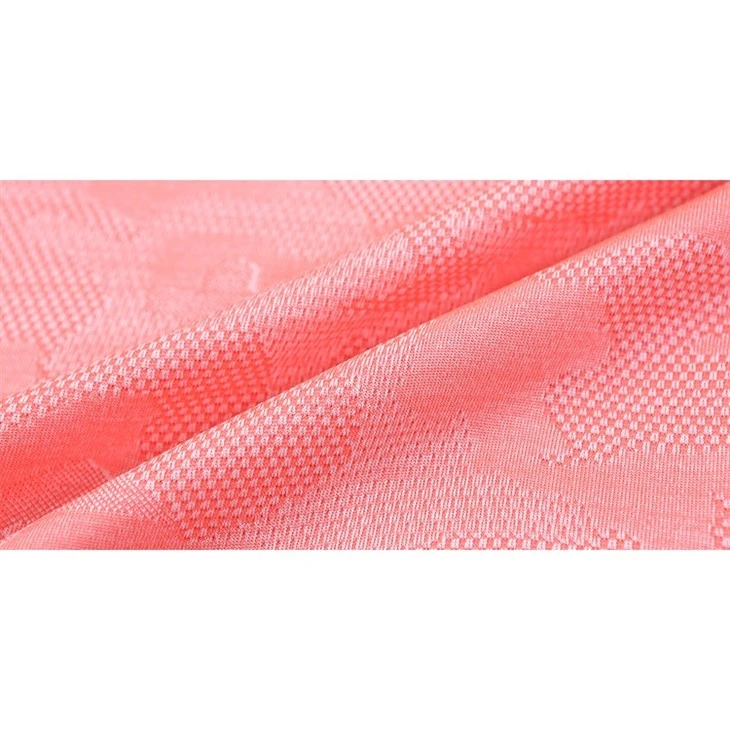
Embroidering on knit fabrics can be a bit more challenging than embroidering on woven fabrics due to the stretch and give of the material. However, with the right techniques and materials, you can create beautiful embroidered designs on your knits. Here's a guide to help you get started:
Materials Needed:
Knit fabric (jersey, interlock, ribbing, etc.)
Embroidery hoop (preferably one that adjusts to fit the thickness of your fabric)
Embroidery floss or thread
Embroidery needle (with a larger eye and a sharp point for knits)
Scissors
Water-soluble or tear-away stabilizer
Pins (optional)
Instructions:
Step 1: Prepare the Fabric
Wash and Dry: Start by washing and drying your knit fabric to pre-shrink it and to remove any chemicals or finishes that might interfere with embroidery.
Iron: Lightly press the fabric to remove any wrinkles, which can make it difficult to embroider.
Step 2: Hoop the Fabric
Cut Stabilizer: Cut a piece of stabilizer slightly larger than your hoop.
Position Fabric: Place the stabilizer under the area of the fabric where you want to embroider. The fabric should be smooth and taut, but not stretched too tightly.
Hoop Fabric and Stabilizer: Place the hoop over the fabric and stabilizer, then secure the hoop. Adjust the tension so that the fabric is drum-tight but still has some give.
Step 3: Transfer the Design
Trace the Design: Use a water-soluble pen or a fabric marker to trace your design onto the knit fabric.
Secure the Design: If necessary, use pins to keep the fabric in place, being careful not to stretch it.
Step 4: Embroider
Thread the Needle: Cut a length of embroidery floss and thread your needle. Knot the end.
Start Embroidering: Begin stitching your design. Use a gentle touch and take your time to avoid distorting the fabric.
Backstitch and running stitch are good stitches for beginners on knit fabrics as they are less likely to pucker the fabric.
For more advanced designs, you can use ** satin stitch**, chain stitch, or French knots, but be aware that these may require more stabilizing and a very steady hand.
Step 5: Tips for Embroidering on Knits
Use Short Stitches: Shorter stitches can help prevent the fabric from stretching and distorting.
Keep Tension Even: Maintain an even tension on your thread to avoid pulling the fabric too tightly.
Avoid Puckering: If you see the fabric starting to pucker, you may be pulling too tightly. Loosen your tension slightly.
Change Needles: If the fabric is very thick or if you're having trouble with the needle, consider using a larger needle or one specifically designed for embroidery on knits.
Step 6: Finishing Up
Remove Stabilizer: Once your embroidery is complete, carefully remove the fabric from the hoop.
Remove Pins: If you used pins, remove them now.
Rinse Stabilizer: If you used a water-soluble stabilizer, rinse it away with water according to the manufacturer's instructions.
Press: Gently press the embroidered area from the back to set the stitches and remove any wrinkles.
With these steps, you should be able to create beautiful and durable embroidery on knit fabrics. Remember to practice on a scrap piece of fabric first to get a feel for the material and the embroidery process.