

17 Different Types of Knit Fabrics
Mar 07, 2025
Leave a message
Knit fabrics are a staple in textiles, beloved for their versatility, comfort, and stretch. From cozy sweaters to athletic wear, these fabrics come in various types, each with unique characteristics and uses.
Key Takeaways
Knit fabrics have two primary types: weft and warp knits. Each has unique characteristics.
Weft knits provide excellent stretch and comfort, making them ideal for casual wear.
Warp knits emphasize durability and structure, making them suitable for sportswear and upholstery.
When choosing knit fabrics, consider their intended use and evaluate factors like stretch and durability to ensure they meet your needs.
Matching the fabric type to the garment design enhances the final product, ensuring both functionality and aesthetic appeal.
Overview of Types of Knit Fabrics: Weft vs. Warp Knits
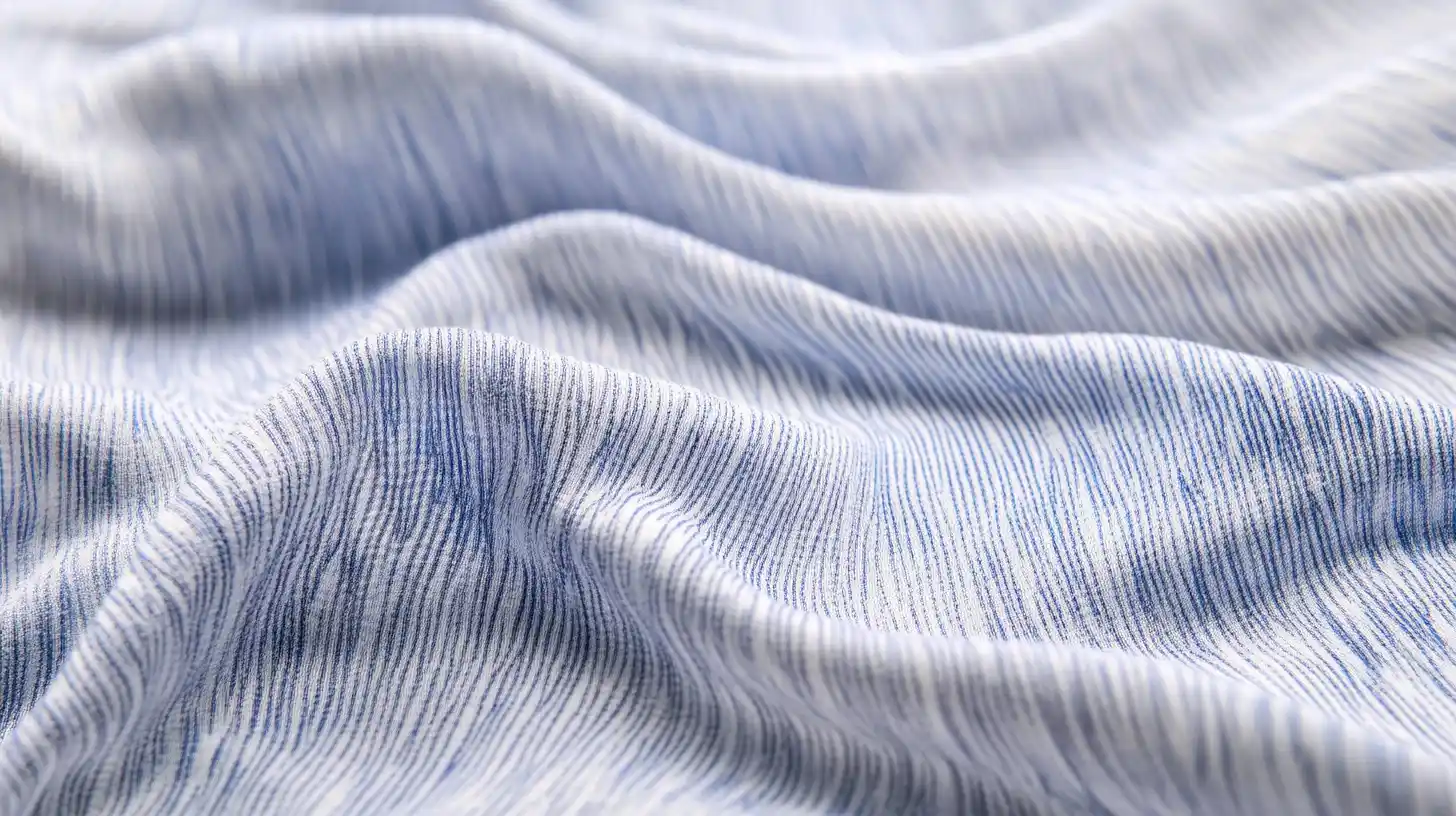
Knit fabrics are divided into two primary categories: weft knits and warp knits. Each type has unique characteristics that influence its appearance, stretch, and functionality.
Weft Knits
Weft knits are among the most common knit fabrics. In this method, a single yarn runs horizontally across the fabric, creating loops that interlock row by row. This structure gives weft knits their signature stretch and softness. You'll often find weft knits in everyday clothing like t-shirts, sweaters, and leggings.
One key feature of weft knits is their flexibility. These fabrics stretch more in the crosswise direction, making them ideal for clothes that need comfort and movement. However, they can unravel if a loop breaks, so handling them carefully is essential. Weft knits also tend to curl at the edges, which you should consider when cutting or sewing.
Warp Knits
Warp knits differ significantly from weft knits. In warp knitting, multiple yarns run vertically, forming loops that interlock in a zigzag pattern. This construction makes warp knits more stable and less stretchy than weft knits. You'll often see warp knits in sportswear, lingerie, and upholstery.
Warp knits resist unraveling, even when damaged, which adds to their durability. They also maintain their shape better over time, making them suitable for structured clothes. While they lack the elasticity of weft knits, their strength and stability make them a reliable choice for many applications.
Here is a comparison between weft and warp knits presented in a table format:
| Feature | Weft Knits | Warp Knits |
|---|---|---|
| Formation | Formed by looping yarn horizontally. | Formed by looping yarn vertically. |
| Yarn Requirements | Requires one yarn for a series of loops. | Requires multiple yarns simultaneously. |
| Elasticity | More elasticity, especially in width. | Less elasticity, more stable structure. |
| Unraveling | Can easily unravel if a loop breaks. | Less likely to unravel easily. |
| Machine Used | Circular or flat knitting machines. | Tricot or Raschel knitting machines. |
| Common Uses | Sweaters, socks, and casual wear. | Lingerie, swimwear, and sportswear. |
| Fabric Texture | Generally softer and more flexible. | Firmer and less stretch than weft knits. |
| Design Complexity | Easier to create intricate patterns. | More limited in design capabilities. |
A Fabric Guide to Types of Weft Knit Fabrics
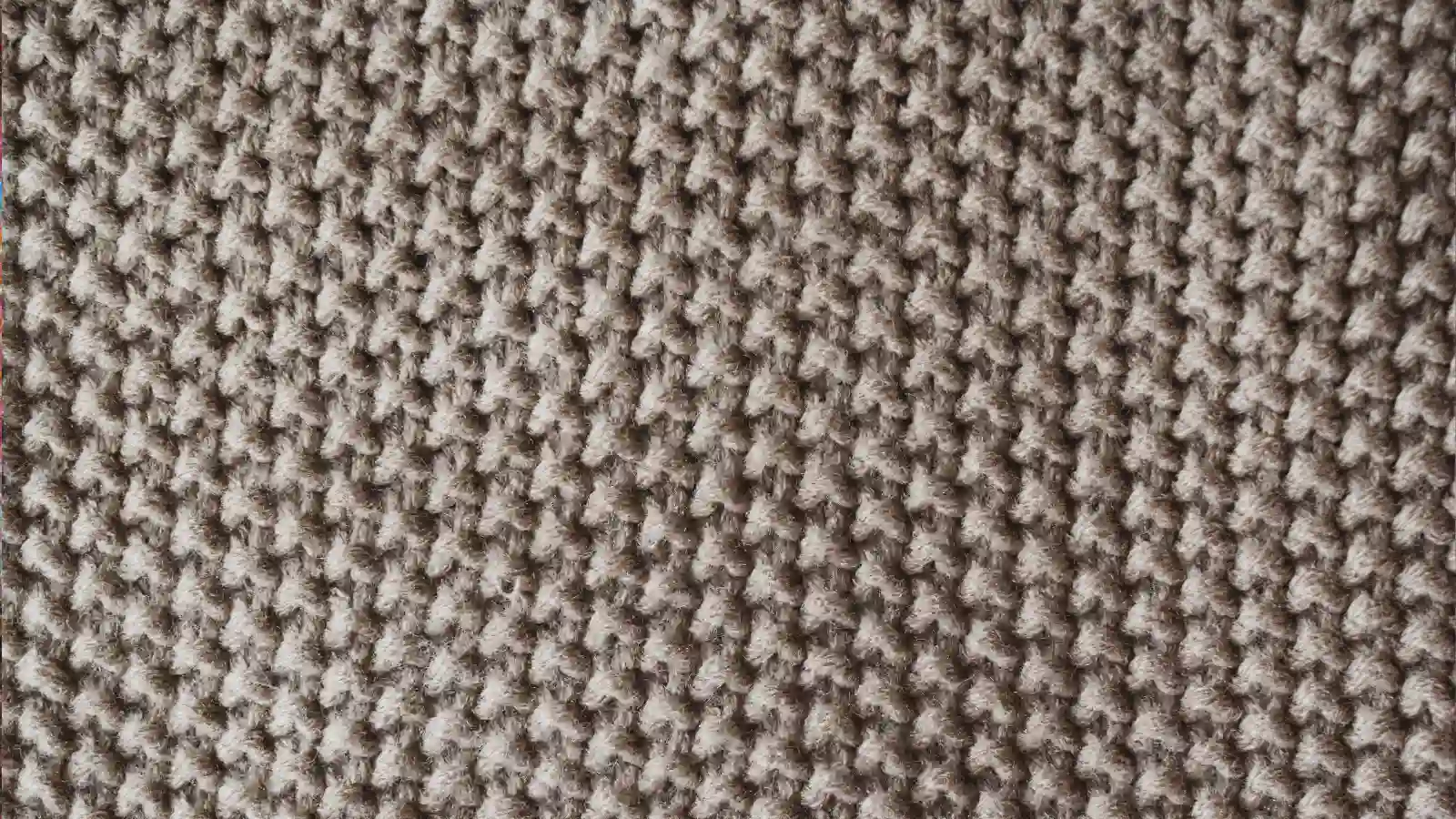
Weft knit fabrics come in various styles, each offering unique characteristics and applications. Below, you'll explore some of the most popular types of fabrics.
1. Jersey Knit
Jersey knit fabric is one of the most common and recognizable knit fabrics. It features a smooth surface on the right side and a slightly textured wrong side. This fabric is lightweight, breathable, and has a natural stretch, making it ideal for t-shirts, dresses, and casual wear.
You'll appreciate its softness and how it drapes well on the body. But jersey knit tends to curl at the edges when cut, so it's essential to handle it carefully during sewing.
2. Rib Knit
Rib knit fabric stands out for its distinct vertical ridges, created by alternating knit and purl stitches. This structure gives rib knit excellent elasticity, especially in the crosswise direction. You'll often find it used in cuffs, collars, and waistbands, where stretch and recovery are crucial.
Rib-knit also provides a snug fit, making it a popular choice for fitted clothes like tank tops and sweaters. Its durability ensures that it maintains its shape even after repeated use.
3. Interlock Knit
Interlock knit is a double knit fabric that offers a smooth surface on both sides. It's thicker and more stable than a jersey knit, providing a soft and luxurious feel. This fabric doesn't curl at the edges, making it easier to work with during sewing.
Interlock knit is commonly used in baby clothes, activewear, and loungewear due to its comfort and durability. Its structure also makes it less prone to stretching out of shape over time.
4. Purl Knit
Purl knit fabric stands out for its unique texture and reversible design. Unlike other types of knit fabrics, purl knit has a bumpy surface on both sides. This construction gives the fabric a soft, textured feel for cozy clothes like cardigans.
You'll notice that the purl knit stretches more in the vertical direction. This feature makes it ideal for clothing that requires flexibility and comfort. But it can be slightly heavier than other fabrics.
5. French Terry
French terry fabric is a popular knit fabric known for its looped texture on one side and smooth surface on the other. It offers the perfect balance between comfort and functionality.
You'll often find it used in casual wear like sweatshirts, hoodies, and joggers. The loops on the inside help trap warmth, while the smooth outer surface gives the fabric a polished look.
6. Lace Knit
Lace knit fabric brings elegance and sophistication to any clothing. This type of knit fabric features intricate patterns created through openwork designs. Lace knit is often used in decorative clothing like dresses, blouses, and lingerie. Its delicate appearance adds a touch of femininity and charm to any outfit.
Despite its lightweight and airy structure, lace knit is surprisingly durable. The open patterns allow for breathability, making it ideal for warm-weather clothing.
7. Fleece Knit
Fleece knit fabric stands out for its warmth and softness. Its surface is brushed to create a plush, fuzzy texture. This fabric is often used in outerwear, loungewear, and blankets. Its insulating properties make it a popular choice for cold-weather clothing.
8. Jacquard Knit
Jacquard knit fabric features intricate patterns woven directly into the fabric. Unlike printed designs, these patterns are part of the fabric's structure, giving it a textured and luxurious feel. You'll often see jacquard knit used in high-end clothing, upholstery, and accessories.
9. Mesh Knit
Mesh knit fabric is known for its open, breathable structure. It's lightweight and airy, ideal for sportswear, activewear, and summer clothing. Its construction allows excellent ventilation, keeping you cool during physical activities or warm weather.
10. Sweater Knit
Sweater knit fabric offers warmth, comfort, and a cozy texture. This type of knit fabric is often used to create sweaters, cardigans, and other cold-weather clothes. Its construction involves thicker yarns, which give it a soft and plush feel. You'll notice that this knit fabric comes in various weights, from lightweight options for layering to heavier ones for added insulation.
11. Cable Knit
Cable knit fabric stands out for its intricate, raised patterns that resemble twisted ropes or braids. These designs are created by crossing stitches over one another, giving the fabric a textured and decorative appearance. You'll often find cable knit used in scarves and blankets, where both style and warmth are essential.
12. Pointelle Knit
Pointelle knit fabric features delicate, openwork patterns that add a touch of elegance to any clothing. These patterns are created by strategically placed holes, forming decorative designs throughout the fabric. Pointelle knit is often used in lightweight tops and baby clothing due to its soft and breathable nature.
This fabric provides a feminine and vintage-inspired look, making it a favorite for romantic and delicate designs.
13. Velour knit
Velour knit fabric offers a luxurious, plush texture that feels soft against the skin. It's made by knitting and then shearing the loops on the surface, creating a smooth, velvety finish. Due to its rich appearance and comfortable feel, velvet knit fabric is usually used in loungewear, tracksuits, and upholstery.
A Fabric Guide to Types of Warp Knit Fabrics
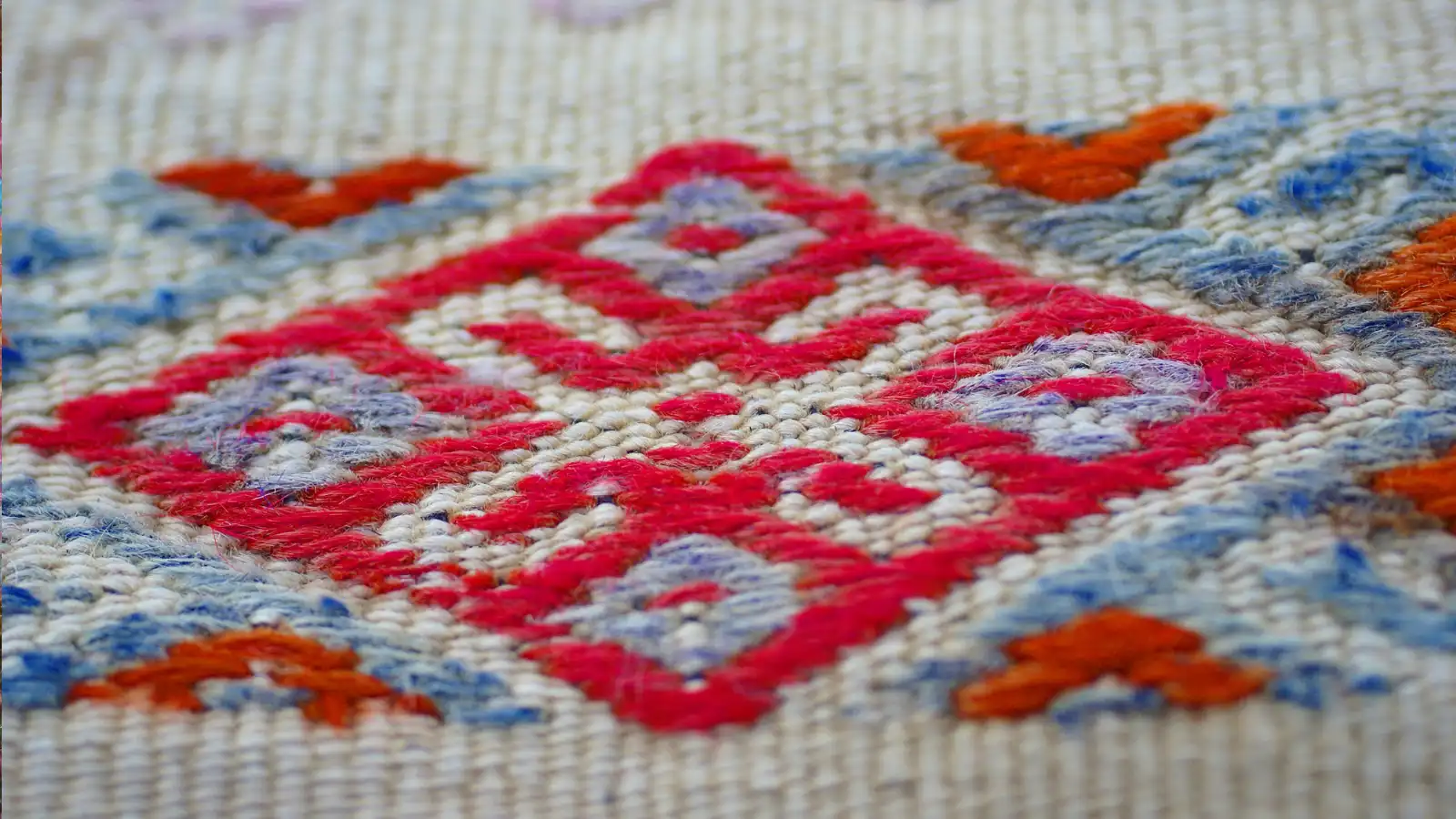
Warp knit fabrics offer durability and stability, making them a reliable choice for various applications. Below, you'll explore some of the most common types of warp knit fabrics and their unique characteristics.
14. Tricot Knit
Tricot knit fabric is lightweight and smooth, with a fine texture that feels soft against the skin. Its construction involves tightly interlocked loops, giving it a sleek appearance and excellent durability. You'll often find tricot knit in lingerie, activewear, and garment linings.
15. Raschel Knit
Raschel knit fabric stands out for its intricate patterns and open structure. This type of warp knit is often used to create lace, mesh, and decorative fabrics. Its design allows endless possibilities, from delicate floral motifs to bold geometric shapes.
16. Milanese Knit
Milanese knit fabric is known for its luxurious feel and smooth finish. This type of warp knit features diagonal loops, creating a fine and uniform texture. Due to its refined appearance, you'll often find Milanese knit used in high-end garments, gloves, and hosiery.
17. Simplex Knit
Simplex knit fabric stands out for its dense and smooth structure. This knit uses two sets of needles, creating a double-faced fabric with a firm and stable texture. You'll often find simplex knit in applications that need durability and a polished appearance, such as gloves, lingerie, and swimwear.